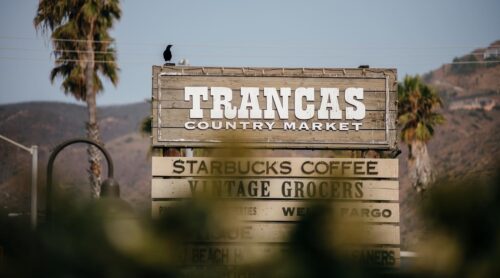
Trancas Canyon lies on the western edge of Malibu, framed by the Pacific Ocean and the ridges of the Santa Monica Mountains. Over time, it has developed a layered past. From its early Native American heritage to the era of Spanish land grants, ranching, and modern coastal living, each period has left its mark. Today, these layers come together to tell the story of how Trancas became one of Malibu’s most distinctive coastal areas.
Early Heritage
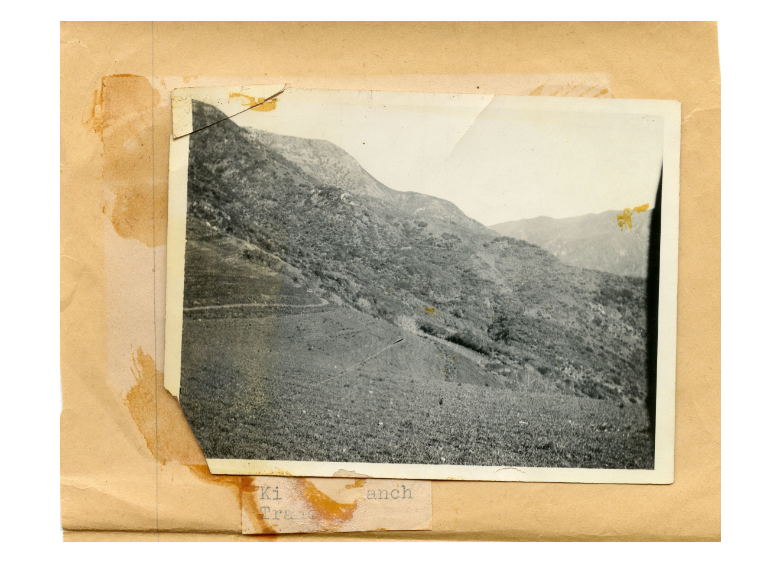
The region around Trancas was once inhabited by the Chumash people, whose settlements stretched along the coast and mountains of what is now Southern California. Later, under Spanish and Mexican rule, large ranchos were granted across the region, including the lands that now form Trancas Canyon.
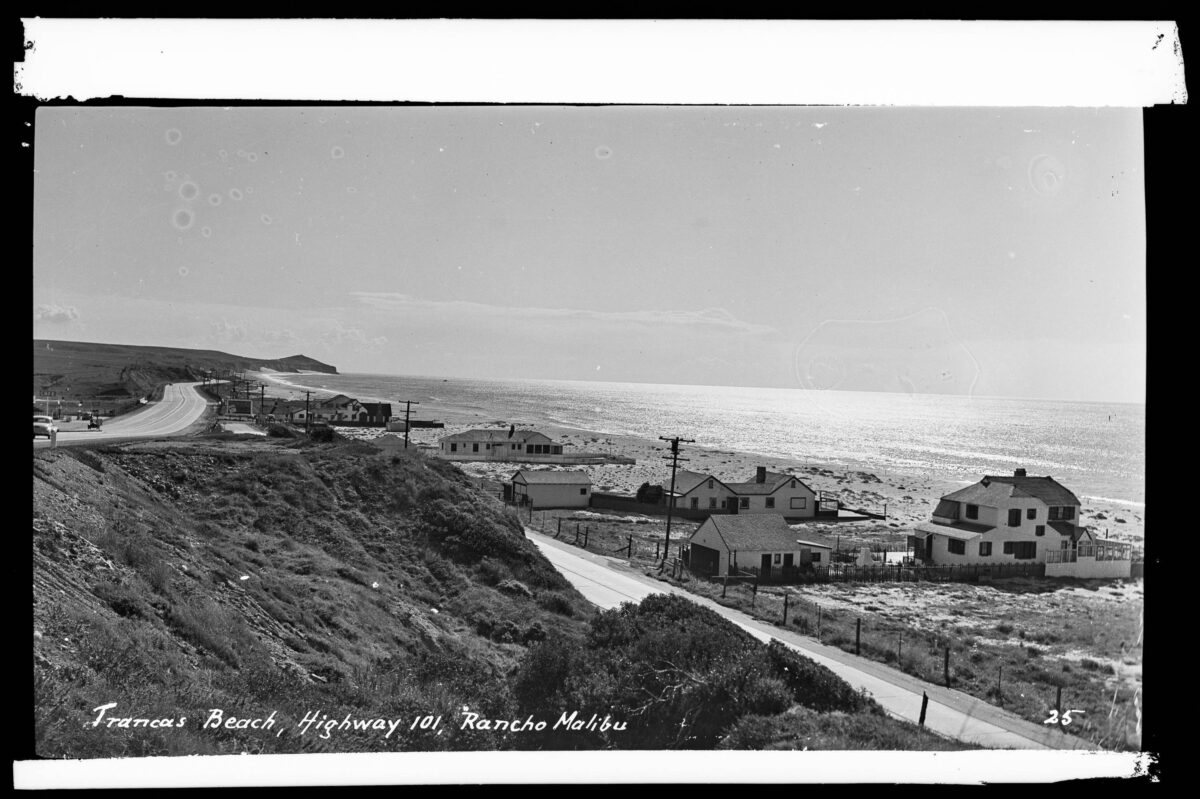
The Name & Natural Setting
The name Trancas likely comes from the Spanish word for “barrier.” Early settlers may have used the term to describe the canyon’s narrow shape. The steep ridges and winding paths form a natural gate. This gave the area both protection and a sense of seclusion. Ranchers may have used the land to contain cattle. Travelers likely saw the canyon as a landmark along the Malibu coast.
Today, the same geography that once acted as a barrier defines Trancas. Trancas Creek flows through the canyon and drains a 6,200-acre watershed. The movement of water shaped the land over time. It carved soft slopes and helped native plants grow. The terrain also guided how people developed the area. Together, history and nature give Trancas Canyon its timeless coastal identity.
Development in the 20th Century
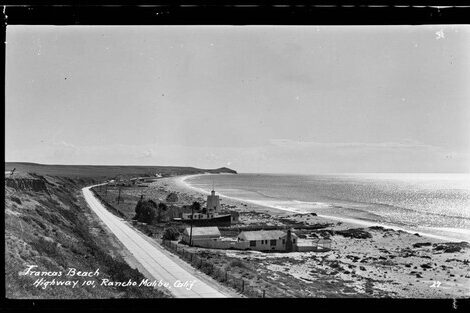
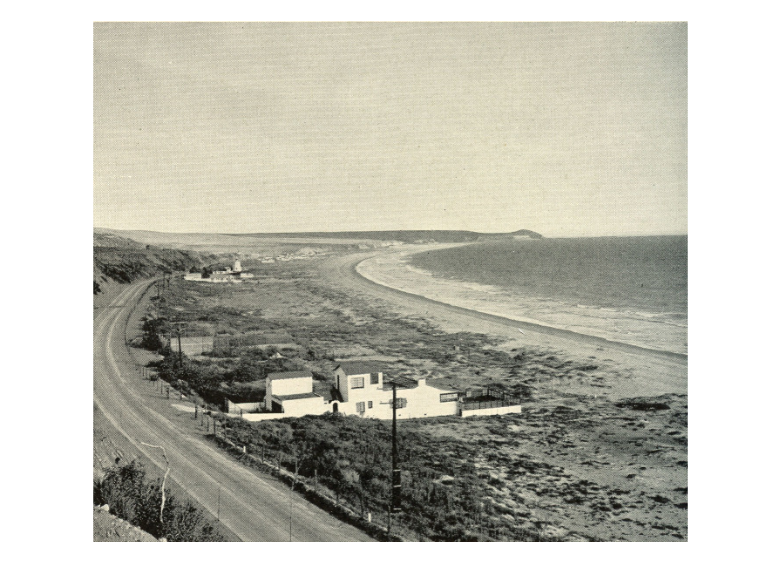
As Malibu became more accessible in the mid-1900s, Trancas Canyon began attracting development. The mixture of ocean access, canyon terrain, and scenic views created opportunities for homes of all styles, including mid-century ranch houses, modern residences, and hillside retreats. One source notes that development in the canyon includes three distinct neighborhoods: Malibu West; the upper Trancas Canyon Road and Trancas Highlands; and the Bailard/Lunita area.
Today’s Trancas
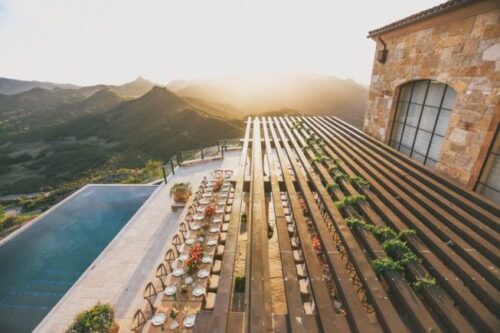
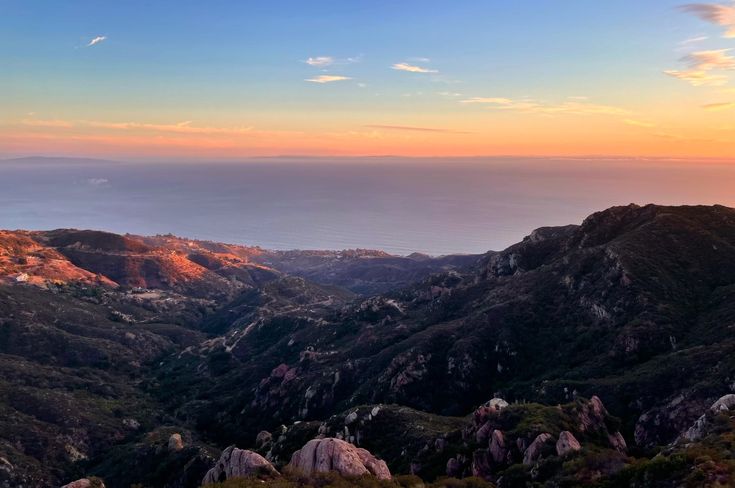
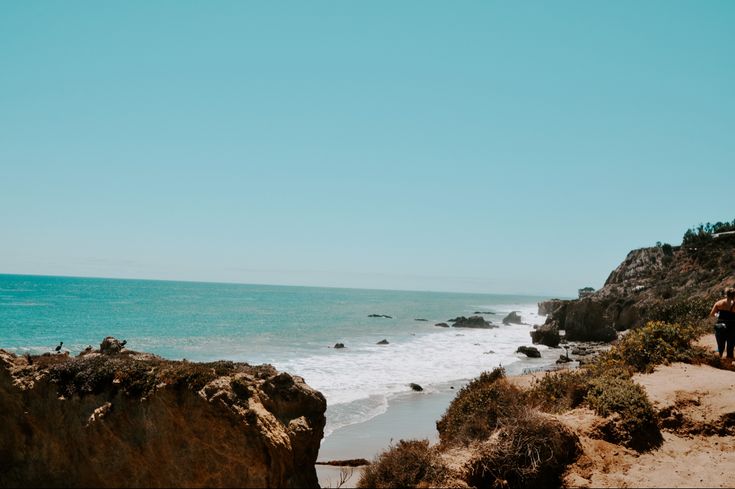
Today, Trancas Canyon strikes a balance between natural habitat and luxury residential living. Homes enjoy panoramic views of both canyon and ocean. Trails and ridge-lines invite outdoor life. Preservation of the landscape, wildlife, and natural systems remains an important part of the story. In addition, for buyers and architects, understanding the land’s history adds depth and meaning. As a result, the design potential, property value, and lifestyle here all connect to the area’s geography, heritage, and development patterns. Together, these elements shape the unique identity of Trancas Canyon today.
Why It Matters
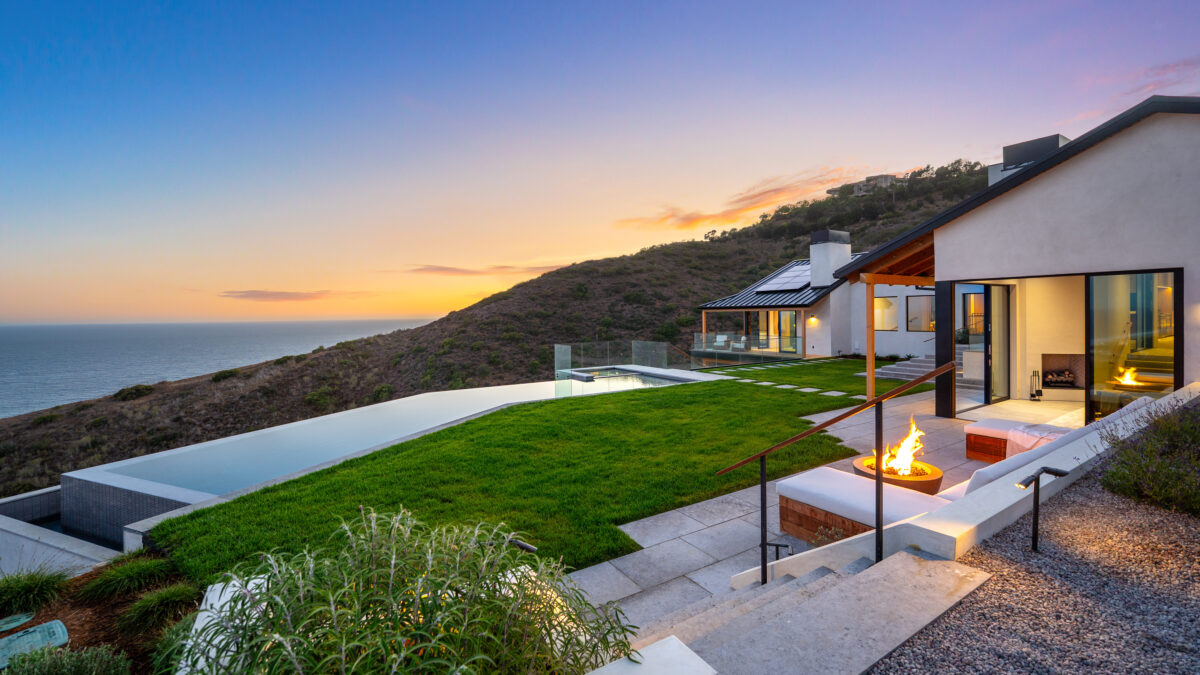
When you explore real estate or architecture in Trancas Malibu, you’re not just choosing a home. YYou are stepping into land shaped by many eras. Indigenous people first cared for this terrain. Later, Spanish and Mexican settlers used it for ranching and trade. In the mid-century period, new waves of development brought homes that blended with the coast and canyon. This history still guides how people design and live here today.
Understanding this background helps buyers and designers make choices that honor value, sustainability, and beauty. Each decision adds to the lasting story of Trancas Canyon. To see how this legacy continues, schedule a private tour of Anacapa and explore Catalina, coming soon to Trancas Malibu.